Garage Door Repairs in New Jersey: Improving Performance and Lifespan
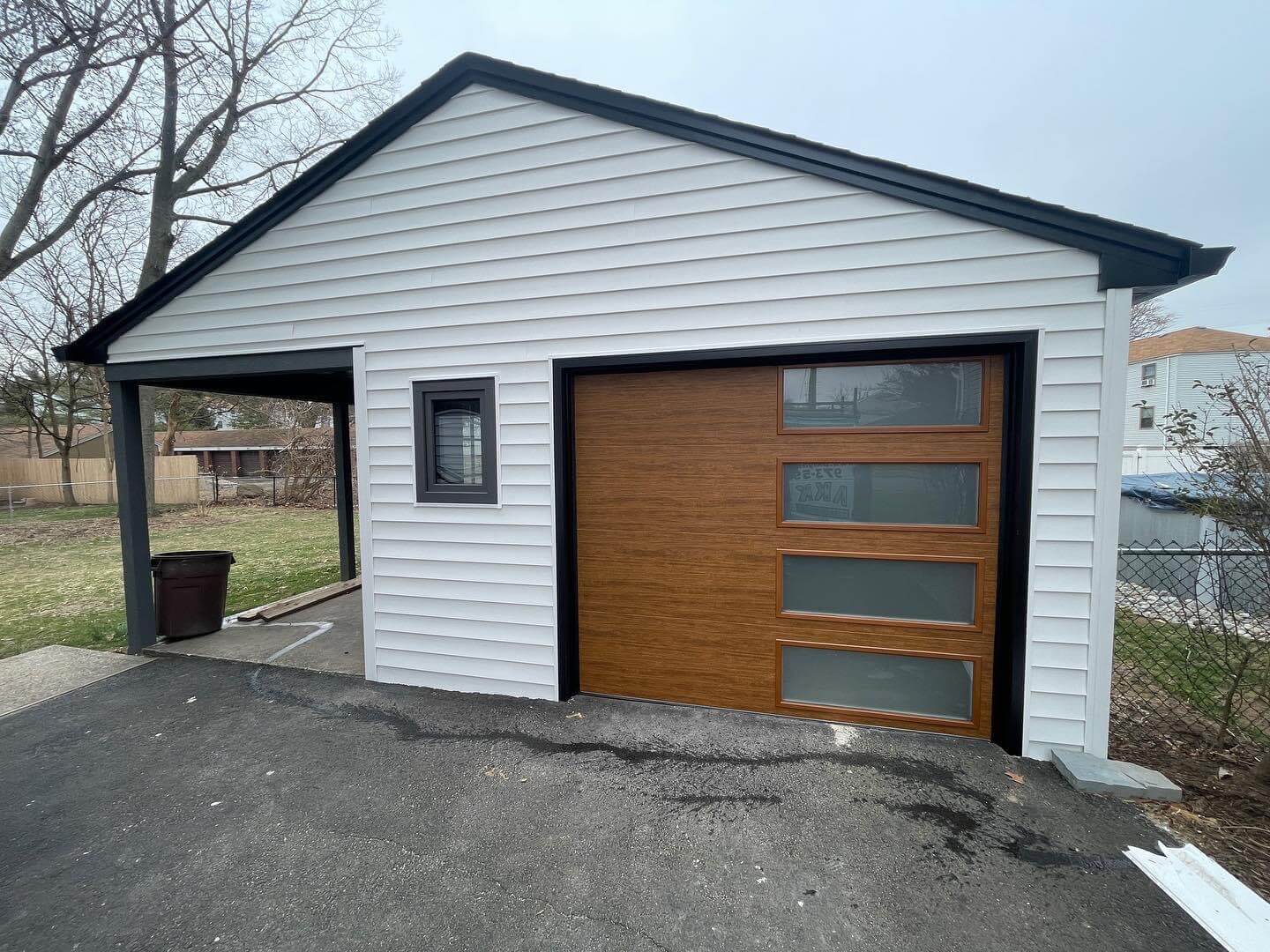

A garage door does more work than most homeowners realize. It opens in rain, ice, salt air, and heat. It shields vehicles, tools, storage, and often the largest entry point into the home. In New Jersey, where winter freeze-thaw cycles can stress metal parts and coastal moisture can accelerate corrosion, a garage door system tends to age faster when routine care is neglected. That is why Garage Door Repairs in New Jersey are rarely just about fixing a nuisance. They are about preserving performance, avoiding secondary damage, and getting more usable years from a major moving component of the house.
I have seen doors that looked fine from the street but were one cold morning away from a broken spring or a stripped opener gear. I have also seen older doors, sometimes twenty years old or more, continue operating reliably because the owners addressed small problems early. The difference usually comes down to attention, timing, and understanding how the system works as a whole rather than as a collection of isolated parts.
What actually wears out on a garage door system
Most people think of the garage door as the large panel that moves up and down. In practice, the panel is only part of the equation. The real wear happens in the hardware: springs under high tension, rollers carrying the weight, hinges pivoting thousands of times, cables winding and unwinding, bearings turning, and openers responding to repeated demand.
In New Jersey, seasonal swings create a predictable pattern of wear. During winter, metal contracts, lubrication thickens, and brittle weather seals crack. In summer, heat can warp lower-grade vinyl trim and dry out parts that were lightly lubricated to begin with. Near the shore, salt in the air settles on tracks, brackets, and bottom fixtures. Inland, dust and pollen collect in tracks and around photo eyes. None of this sounds dramatic, but garage doors fail more often from accumulated stress than from a single event.
Torsion springs are usually the first major component to reach the end of their life. A standard spring might be rated for around 10,000 cycles, though higher-cycle options are available. One cycle is one opening and one closing. A family that uses the garage door as the main entrance can burn through those cycles faster than expected. At four cycles a day, 10,000 cycles works out to under seven years. At eight cycles a day, it is closer to three and a half years. That is why two homes built in the same year can have very different repair histories.
Rollers are another common problem point. Steel rollers can be durable but noisy if not maintained. Lower-cost plastic rollers often wear quickly, especially under heavier insulated doors. When rollers flatten, crack, or seize, the door starts dragging and rattling. That extra strain passes to the opener, hinges, and track alignment. A repair that could have Garage Door Repairs in New Jersey been minor becomes broader and more expensive.
The early warning signs homeowners tend to miss
Garage doors rarely fail without warning. The challenge is that the warning signs often blend into daily life. People adapt to the extra noise, the slight hesitation, or the need to press the remote twice. Then one day the door will not lift, closes crookedly, or slams shut.
A healthy door should move smoothly and with a fairly even sound. If one side rises faster than the other, the cables may be uneven or a spring may be weakening. If the opener strains and the top section shudders before the door fully opens, the balance may be off or the hinges may be binding. If the door reverses before touching the floor, the issue might be photo eye alignment, travel settings, or resistance along the track. Even something as simple as frayed bottom weather seal can matter, because it can trap debris and affect the final close.
One homeowner I worked with in central New Jersey called because the opener was “getting Garage Door Repairs in New Jersey old.” The motor sounded tired, and the door shook hard enough to rattle shelves. The opener was not the main problem. The spring had lost tension over time, several rollers were badly worn, and one track bracket had loosened from the framing. Once those mechanical issues were corrected, the opener performed normally. Replacing the opener first would have treated the symptom, not the cause.
That pattern is common. Garage Door Repairs are often most effective when approached as system tuning rather than simple parts swapping.
Why New Jersey conditions make regular service more important
Climate matters. A garage door in a dry, stable environment ages differently than one exposed to snow, coastal humidity, and abrupt temperature shifts. New Jersey gets all three depending on location and season. In Bergen County, winter ice can freeze the bottom seal to the slab. In Monmouth and Ocean counties, salt exposure can speed up rust on lower brackets and fasteners. In older neighborhoods statewide, garages may have settling concrete, slightly shifted framing, or wood trim that swells with moisture, all of which can affect alignment.
These regional conditions change how repairs should be prioritized. Rust on a decorative hinge might be cosmetic, but rust on a lift cable, bottom fixture, or spring anchor is a structural concern. A door that is only slightly out of level can become far more problematic after a freeze. Water infiltration around the opening may seem separate from the door itself, but moisture can degrade the jamb, affect fastener grip, and eventually alter track position.
That is one reason Garage Door Repairs in New Jersey benefit from practical field judgment. The same squeak does not always point to the same root cause. The same gap under the bottom seal is not always solved by replacing the seal. Sometimes the floor has pitched. Sometimes the door sections have warped. Sometimes the issue started with a spring change that left the balance imperfect.
Repair or replace: making the right call
Not every troubled garage door needs replacement. Many doors can be restored to excellent working condition with focused repairs, especially if the panels are structurally sound and the system has not suffered a major impact. The decision usually turns on age, door construction, parts availability, insulation goals, and the scope of accumulated wear.
A relatively new insulated steel door with a broken spring is usually a straightforward repair case. An older wood door with rot at the bottom rail, bent tracks, obsolete hardware, and an opener that lacks modern safety features may be a different story. Yet even then, replacement is not always urgent if the structure is stable and the owner wants to phase costs over time.
The most practical factors to weigh are these:
- the condition of the springs, cables, rollers, and hinges
- the integrity of the door sections and attachment points
- opener compatibility and safety sensor reliability
- energy loss through poor sealing or uninsulated panels
- the total cost of current repairs compared with expected future repairs
What matters is not just today’s invoice. It is the likely path over the next three to five years. If a repair restores smooth, safe operation and the rest of the system is in reasonable condition, that is money well spent. If a repair only buys a short window before the next failure, replacement may be the more disciplined decision.
Springs, cables, and balance: the heart of performance
The single biggest factor in garage door performance is balance. A properly balanced door feels lighter because the springs are carrying most of the weight. The opener is there to guide the movement, not to muscle the full load. When spring tension is wrong, everything else suffers.
A door that is hard to lift manually, drops too quickly when lowered halfway, or surges upward when released is out of balance. That imbalance increases wear on the opener drive, rollers, cable drums, and hinges. It also creates safety risk. Springs and cables store significant energy. Repairs involving them are not casual do-it-yourself work.
In the field, spring replacement is often where repair quality shows. Using the wrong spring size can make the door technically functional but mechanically unhappy. It may open, but too fast. It may close, but with strain near the floor. It may work with the opener but not hold correctly when disconnected. Good service means matching the spring to the door weight and height, confirming cable condition, checking drum set screws, and verifying balance through the full travel range.
Cables deserve equal attention. Frayed cables often hide near the bottom bracket where dirt and moisture collect. Once individual strands begin to break, failure can come sooner than expected. When one cable lets go, the door can jam crooked in the opening or slam to one side, damaging tracks and panels. Replacing a worn cable before it snaps is one of those repairs that saves far more than it costs.
Rollers, tracks, and hinges: where quiet operation begins
Noise is not just an annoyance. It is a symptom. A noisy garage door often points to dry bearings, worn rollers, loose hardware, or track issues. Homeowners sometimes reach for spray lubricant and hope for the best. Lubrication helps when applied correctly, but it cannot compensate for worn components or poor alignment.
Nylon rollers with sealed bearings can dramatically reduce sound on many residential doors, especially in homes where the garage sits below a bedroom. That said, material choice is only part of the story. Tracks need to be properly aligned and securely mounted. Hinges need to pivot without slop. Fasteners need to be tight, but not overtightened into fatigued metal. If the top section is flexing, an operator reinforcement bracket may be needed to prevent cracking around the opener arm attachment point.
I once inspected a door in Essex County that had become so noisy the family stopped using it early in the morning. The owner had already replaced the opener, assuming the motor was the source. The real issue was a chain of smaller faults: mismatched rollers, a bent vertical track, dry hinges, and a center bearing plate that was beginning to bind. After the repair, the difference was immediate. Not silent, because garage doors are still mechanical systems, but smooth enough that the room above no longer shook when the door opened.
Openers are only as good as the door they lift
When people think “garage door problem,” they often think “opener problem.” Sometimes that is accurate. Logic boards fail, gears wear, remotes lose programming, wall consoles stop responding, and safety sensors drift out of alignment. But opener lifespan depends heavily on door condition.
A strained opener often sounds louder over time, but the underlying issue may be balance, friction, or travel resistance. Belt-drive units are popular for quiet operation, chain drives for durability, and jackshaft openers for certain space-saving setups. Each has strengths, but none should be used to compensate for a heavy or binding door.
Modern openers also add value through safer and more reliable operation. Rolling-code remotes reduce access risk. Battery backup can be especially useful during storms and outages, which are not uncommon in parts of New Jersey. Smartphone monitoring helps homeowners confirm whether the door was left open. These are worthwhile upgrades, especially when paired with proper Garage Door Repairs that restore the mechanical side first.
Weather sealing, insulation, and the hidden impact on lifespan
Performance is not only about movement. It is also about how well the door protects the garage environment. A failed bottom seal, cracked perimeter weather stripping, or poorly insulated door can introduce moisture, drafts, pests, and temperature swings that affect everything stored inside. In attached garages, it can also influence comfort in adjacent rooms.
Replacing weather seals is one of the most cost-effective ways to improve daily performance. It keeps out driven rain, leaves, and fine snow. It helps reduce the amount of dirt that ends up in tracks and around sensors. In garages used as workshops, gyms, or utility spaces, better sealing can make the area significantly more usable throughout the year.
Insulated doors also place different demands on hardware because they are often heavier than uninsulated models. That means spring sizing and opener force settings need to match the actual door. Homeowners sometimes add insulation kits to older doors without realizing they have changed the weight enough to affect balance. It is a small upgrade with bigger mechanical consequences than many expect.
What preventive maintenance should look like
Preventive maintenance does not need to be elaborate, but it should be consistent and informed. The goal is to catch wear before failure and preserve adjustment before the system drifts out of spec. A brief owner check every few months, combined with professional service at sensible intervals, usually keeps repair costs lower over time.
A useful homeowner routine includes:
- watching the door open and close without distractions
- listening for new grinding, popping, or scraping sounds
- checking for visible cable fray, rust, or loose hardware
- testing the reverse function and photo eyes
- inspecting weather seals for cracks and compression loss
Anything involving spring adjustment, cable tension, track resetting, or opener force calibration is best left to a trained technician. There is a difference between observation and intervention, and garage doors cross into hazardous territory quickly once tensioned parts are involved.
The cost of delaying repairs
People often postpone Garage Door Repairs because the door still works “well enough.” That phrase can get expensive. A door that continues operating while out of balance can burn out an opener. Worn rollers can chew into tracks. A loose bracket can enlarge mounting holes in framing. A damaged bottom seal can allow water to reach stored items or encourage freeze-bonding in winter.
The more important cost, though, is interruption. Garage doors have a talent for failing at the least convenient moment, on a freezing morning, during school drop-off, before work, or just as a storm rolls in. Emergency service is sometimes unavoidable, but many emergency calls start as non-urgent issues that were simply left alone too long.
A measured repair done on schedule is almost always less disruptive than a rushed repair after failure. That is especially true for households that rely on the garage as the primary entry and exit point.
Choosing repair work that adds years, not just days
The best garage door repair work does more than get the door moving again. It restores proper load handling, reduces friction, improves sealing, and leaves the system safer than it was before the fault appeared. That means using the right parts, not merely available parts. It means checking the relationship between the opener and the door, not treating them as separate worlds. It means looking at the bottom corners where rust begins, the center bearing where drag develops, the panel attachment points where fatigue shows first.
For homeowners in this state, Garage Door Repairs in New Jersey are most successful when they account for local weather, usage patterns, and the age of the installation. A shore-area steel door may need a different maintenance rhythm than a lightly used inland detached garage. A busy household with teenagers coming and going will reach cycle limits faster than a retired couple using the door twice a day. Good repair strategy reflects those realities.
A garage door is easy to overlook because it is familiar. It is also one of the heaviest moving systems in any home and one of the few that people depend on every single day without much thought. Treating repairs as part of long-term home maintenance rather than as isolated emergencies pays off. The door runs quieter, the opener lasts longer, the weather stays outside where it belongs, and the chances of a bad-timing breakdown drop sharply.
When that happens, you are not just fixing a garage door. You are protecting access, safety, convenience, and the lifespan of a system that works hard in every season New Jersey has to offer.
A.K.K. Garage Doors
Phone number: +19735907183
FAQ About Garage Door Repairs in New Jersey
What is the average cost of fixing a garage door?
The average cost of fixing a garage door ranges from $150 to $350 for most common repairs, with a typical service call fee of $50 to $75. Total expenses depend heavily on the specific broken part and labor rates, which generally run $75 to $150 per hour.
What is the most common garage door repair?
The most common garage door repair is replacing broken torsion or extension springs, which wear out after roughly 10,000 to 15,000 cycles (about 7 years) of opening and closing.
Can a handyman fix a garage door?
Yes, a handyman can fix minor garage door issues like sensor realignments, replacing rollers, or weather-stripping, but major repairs involving high-tension springs or cables are dangerous and best left to a specialized garage door technician.